
Omega-3 Fatty Acids: Health Benefits and Dietary Recommendations
DOI:
https://doi.org/10.62300/bap2ns18Keywords:
Omega-3, Fatty Acids, Dietary RecommendationsAbstract
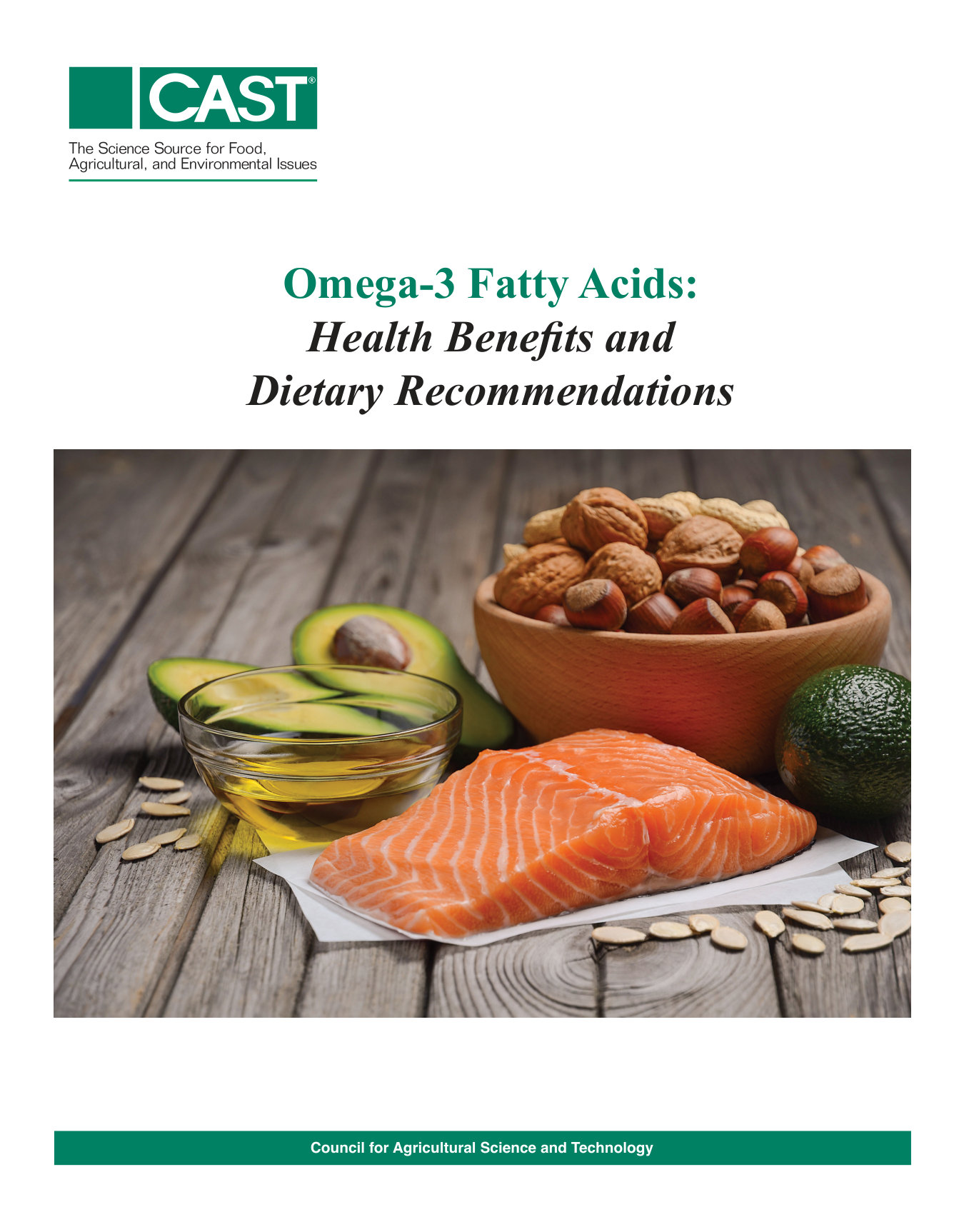
Hippocrates, an ancient Greek physician considered to be the father of medicine, pronounced “Let food be thy medicine and medicine be thy food.” Throughout the centuries, man has relied on foods and herbs to maintain health and treat disease. Over this time, causes of mortality have shifted from nutrient deficiencies, infectious agents, and accidents to mortality rates that are predominantly tied to lifestyleassociated chronic diseases. In 1920, pneumonia and influenza were the leading causes of death in the United States, followed by cardiovascular disease and tuberculosis, with cancer being number six on the list (NCHS 2016). Chronic diseases with a clear link to diet and lifestyle now dominate mortality statistics, i.e., obesity, cardio-cerebrovascular disease, cognitive and neurological function, cancer, and diabetes (NCHS 2016). As such, there has been a renewed interest in how diet can promote health and protect against modern excesses above and beyond the prevention of nutrient deficiencies. One area of research that has attracted attention because of their broad health benefits has been omega-3 polyunsaturated fatty acids. Omega-3 fatty acids are not a single dietary entity, but rather a family of metabolically related compounds that are not necessarily interchangeable and do not necessarily have the same biological functions. As a result, understanding how each family member is metabolically related to one other and the biological consequences of each when consumed in the diet is critical. This publication focuses its attention on the health benefits of omega-3 fatty acids, food sources, and dietary recommendations. To understand the potential health benefits, this publication provides a clear description of this unique family of bioactive nutrients, how they are metabolically interrelated, where in the diet they are predominantly found, how they can contribute to human health and well-being, and how much one needs to consume to realize potential health-promoting benefits. It is additionally important to understand guidelines governing labeling of foods, nutrient and health claims related to omega-3 fatty acids, and what these statements mean. Like all dietary polyunsaturated fats, these fatty acids are incorporated into the membranes of virtually all cells. In doing so, their physiological effects can be felt systemically. Structure and function of cell membranes are modified, and, as such, how cells communicate externally and internally is affected by the type and amount of omega-3 fatty acids incorporated. All tissues and organs are potentially influenced, not only by modifications of their cell membranes, but also by how they respond to downstream metabolites of omega-3 fatty acids produced by one cell or tissue to influence an adjacent or distant cell or tissue. In addition, omega-3 fatty acids help to moderate tissue concentrations of arachidonic acid and its bioactive metabolites where the literature reports deleterious effects can occur when these compounds are produced chronically at high levels. Inflammation is at the core of many health-related conditions, cancer, cardiovascular disease, and neurological pathologies. One unifying target of omega-3 fatty acids is to attenuate an overly active immune response by moderating the mediators of inflammation. In doing so, omega-3 fatty acids have a “ripple effect,” impacting multiple processes. For example, inflammation is an important promotor of cancer. In cardiovascular disease, it is well known that the pathogenesis of atherosclerosis is mediated by a localized inflammatory response within the subendothelium of the vasculature. And the structural lipids in the brain have among the highest concentrations of docosahexaenoic acid, an omega-3 fatty acid that seems to have neuroprotective properties. Critical to this review is identifying dietary sources and relative abundance of these fatty acids and discussing the latest changes in food production and manufacturing technologies that improve dietary access of these health-promoting nutrients. Critically, availability of the more biologically active omega-3 fatty acids (those that are highly unsaturated) is primarily limited to fish and fish products. Unfortunately, not everyone likes fish. Therefore, generating plant-derived sources rich in these kinds of omega-3 fatty acids has unique advantages, particularly when the availability of fresh fish is low. Furthermore, new production techniques have led to improved ways of enriching the tissues of poultry, livestock, eggs, and even fish with omega-3 fatty acids, expanding food choices and access. In summary, this publication presents a robust narrative on the family of omega-3 polyunsaturated fatty acids—a narrative that not only includes their biochemistry, but also encompasses potential health effects, dietary sources, recommended intakes, and federal regulations regarding health and nutrient claims—so readers can make informed decisions on if and how they can better incorporate these nutrients in promoting a healthier lifestyle.Downloads
Download data is not yet available.
Downloads
Published
2018-05-14
Issue
Section
Special Publications
License
Copyright (c) 2018 Council for Agricultural Science and Technology (CAST)

This work is licensed under a Creative Commons Attribution-NonCommercial 4.0 International License.
License Terms for CC Attribution-NonCommercial 4.0:
License URL: https://creativecommons.org/licenses/by-nc/4.0/
License Terms Statement:
You are free to:
- Share — copy and redistribute the material in any medium or format
- Adapt — remix, transform, and build upon the material
Under the following conditions:
- Attribution — you must give appropriate credit, provide a link to the license, and indicate if changes were made
- NonCommercial — you may not use the material for commercial purposes
No additional restrictions — you may not apply legal terms or technological measures that legally restrict others from doing anything the license permits.
How to Cite
Beitz, D. C., Banz, W. J., Brenna, T., & Calder, P. C. (2018). Omega-3 Fatty Acids: Health Benefits and Dietary Recommendations. Council for Agricultural Science and Technology (CAST). https://doi.org/10.62300/bap2ns18